AI-Powered Pet Dental X-Ray Analysis: Faster, Clearer, Safer Diagnoses
Learn how AI pet dental X-ray analysis improves image clarity, speeds diagnosis, and helps vets detect early oral disease in dogs and cats.
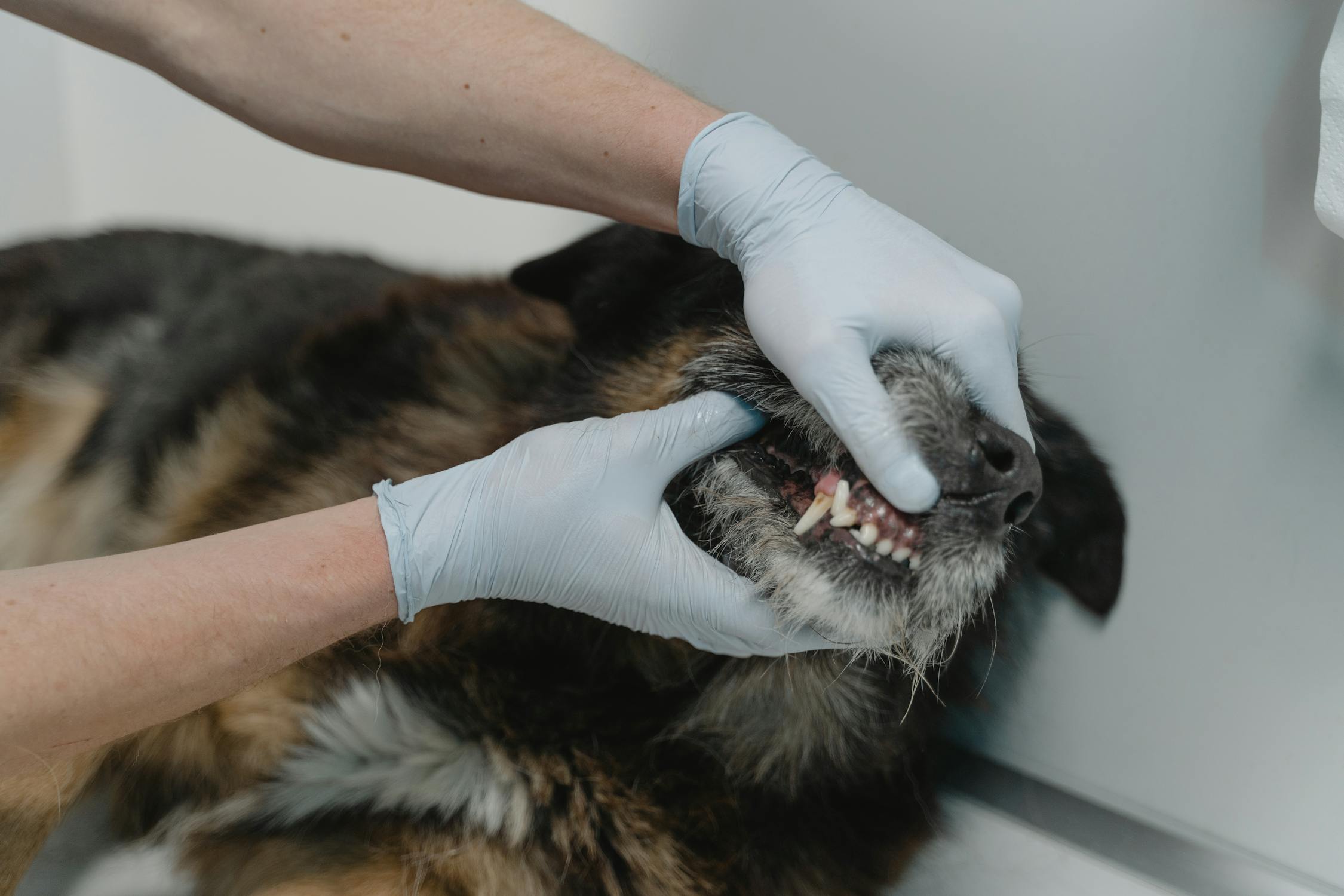
AI-Powered Pet Dental X-Ray Analysis: Faster, Clearer, Safer Diagnoses
Dental radiographs are the backbone of modern veterinary dentistry, yet image interpretation can be inconsistent—especially when the patient is a wiggly dog or an anxious cat. AI pet dental X-ray analysis adds a layer of consistency by enhancing image quality, highlighting suspicious areas, and helping clinicians move from images to actionable decisions faster. For clinics focused on pet oral health diagnostics, this technology is becoming a practical upgrade rather than a futuristic experiment.
Below, we break down how AI works in veterinary dental imaging, what it improves, and how practices can implement it safely without replacing clinical judgment.
Why dental X-rays matter more than you think
Most oral disease hides below the gumline. Gingival inflammation, early periodontal bone loss, and tooth root problems often look minor from the surface. Dental radiographs reveal the full story—and they frequently change treatment plans. That’s why many best-practice guidelines emphasize full-mouth imaging in professional dental exams. AI makes those images easier to interpret and more consistent across a busy clinical day.
If you’re comparing traditional workflows with AI-assisted ones, the key difference is not just speed—it’s the reduction of missed or delayed findings. For broader context, see our comparison in AI vs Traditional Dental Exams.
How AI improves veterinary dental imaging
AI models trained on large sets of labeled dental radiographs can detect patterns that humans might overlook. The goal isn’t to replace the veterinarian but to augment their accuracy. In practice, AI can:
- Enhance image clarity by reducing noise and standardizing contrast.
- Flag regions of interest such as periapical lucencies or bone loss.
- Measure changes in bone height or lesion size over time.
- Standardize reporting, reducing variability across clinicians.
This kind of AI dental imaging is especially valuable for clinics that want reliable, repeatable results across different staff members and patient types.
What “AI pet dental X-ray analysis” actually does
Think of AI as a second set of eyes that never gets tired. After a radiograph is taken, the AI system analyzes the image and returns a structured output:
- Quality checks: Is the radiograph diagnostic? Are key teeth visible? Was the angle correct?
- Anatomic landmarks: The model outlines roots, crowns, and bone structures.
- Anomaly detection: The system highlights areas that appear abnormal—such as bone resorption or widening of the periodontal ligament space.
- Summary suggestions: The AI generates a preliminary note for the veterinarian to confirm or edit.
That workflow gives clinicians a faster first pass and reduces the chance that subtle pathology slips through.
Clinical benefits for dogs and cats
Pets rarely hold still for perfect imaging. AI can compensate for minor variations in positioning and exposure, which is crucial for accurate pet oral health diagnostics. Benefits include:
- Earlier detection of periodontal disease, which may reduce the need for complex extractions.
- Better evaluation of tooth resorption, a common feline condition that can be painful and difficult to spot.
- Improved client communication, with clear visual annotations to explain findings.
If you want a deeper look at diagnostic reliability, see AI Pet Dental Diagnosis Accuracy and AI Dental Imaging Analysis.
Workflow integration: what clinics should plan for
Adding AI to veterinary dental imaging is more about process design than hardware. A successful rollout typically involves:
- Standardized imaging protocols so AI gets consistent inputs.
- Clear review steps, where veterinarians confirm AI findings.
- Staff training for both radiograph capture and AI-assisted interpretation.
- Quality control, including periodic audits to measure accuracy improvements.
Most AI platforms are designed to be cloud-based or integrated into existing imaging software. Clinics should also confirm data privacy and compliance with local regulations. For broader veterinary dental standards, consult the American Veterinary Dental College and the WSAVA Global Dental Guidelines.
Addressing common concerns
Will AI replace vets? No. AI provides structured signals, but veterinarians make the final diagnostic and treatment decisions.
Is it safe for patients? Yes—AI does not change the imaging process itself. It only analyzes images that already exist.
Does it work for all breeds and sizes? The best systems are trained on diverse datasets. Clinics should ask vendors about dataset coverage and ongoing model updates.
The future: trendlines in veterinary radiology AI
As datasets grow, AI pet dental X-ray analysis will likely expand to:
- Predictive risk scoring for patients with early disease markers
- Automated comparison between visits to track progression
- Cross-modality analysis, combining X-rays with intraoral photos
These improvements can help clinics offer earlier interventions and better long-term outcomes for pets.
Conclusion: clearer radiographs, better care
AI-powered analysis doesn’t change the fundamentals of good dentistry—it enhances them. By improving image clarity, standardizing interpretation, and surfacing subtle findings, AI pet dental X-ray analysis supports faster and more confident clinical decisions. For practices looking to elevate pet oral health diagnostics, it’s a practical step forward.
If you’re exploring this workflow, Nerovet can help you evaluate AI-enabled dental imaging solutions that fit your clinic’s needs. Contact us to learn how smarter radiographs can translate into healthier pets.
Frequently Asked Questions
How accurate is AI dental analysis for pets?
AI dental analysis systems like Nerovet achieve high accuracy rates in detecting common dental conditions such as periodontal disease, tooth fractures, and resorptive lesions. The AI serves as a decision-support tool that helps veterinarians identify issues they might otherwise miss, rather than replacing professional judgment.
How does AI pet dental scanning work?
AI pet dental scanning uses deep learning algorithms trained on thousands of veterinary dental images. When you upload a dental X-ray or intraoral photo, the AI analyzes it to detect anomalies, classify conditions, and generate a detailed report with findings and recommendations.
Can AI replace a veterinary dentist?
No, AI is designed to assist veterinarians, not replace them. AI excels at pattern recognition and can flag potential issues for review, but clinical decision-making, treatment planning, and procedures still require a trained veterinary professional.
Want to apply this workflow in your clinic?
Book a Nerovet demo to see practical workflow recommendations for dog and cat dental imaging.