AI Pet Dental Diagnosis Accuracy: Revolutionizing Veterinary Oral Health
Explore how AI technology is transforming pet dental diagnosis accuracy, offering improved detection of oral health issues in cats and dogs
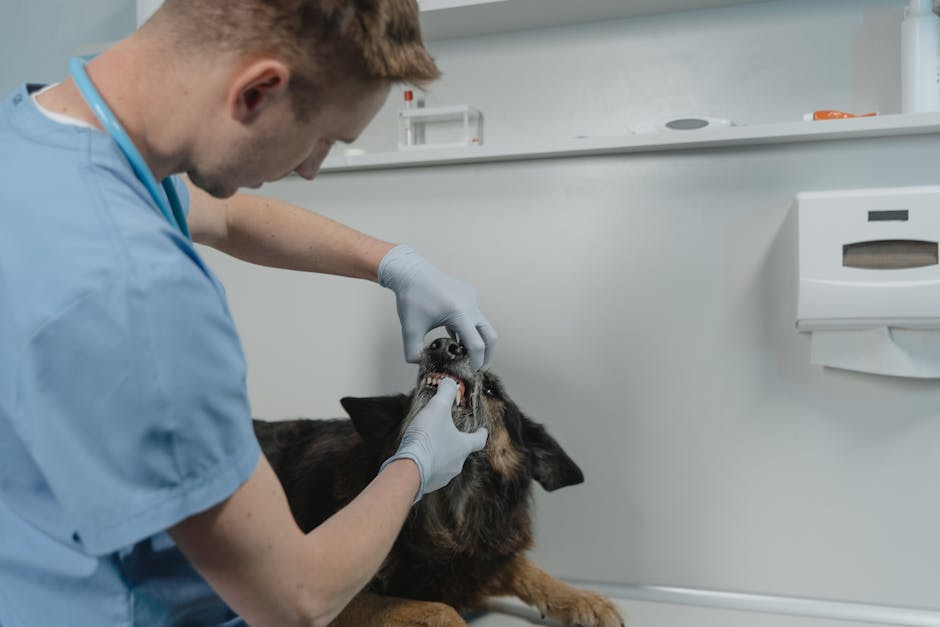
AI Pet Dental Diagnosis Accuracy: Revolutionizing Veterinary Oral Health
Introduction
The field of veterinary dentistry has undergone a remarkable transformation with the introduction of artificial intelligence (AI) technologies. Traditional methods of pet dental diagnosis, while effective, were often limited by human observation and interpretation. Today, AI-powered systems are revolutionizing how veterinarians diagnose oral health conditions in pets, significantly improving accuracy and early detection rates.
AI pet dental diagnosis systems leverage machine learning algorithms and advanced imaging technologies to identify dental conditions with unprecedented precision. These systems can detect subtle changes in tooth structure, gum condition, and oral tissues that may be difficult for the human eye to catch during routine examinations.
The Evolution of Pet Dental Diagnosis
Historically, pet dental diagnosis relied heavily on visual examination, manual probing, and standard X-ray imaging. While these methods provided valuable insights, they were subject to human error and interpretation variations. Veterinarians had to rely on their experience and training to identify dental issues, which sometimes resulted in missed diagnoses or delayed treatment.
The introduction of digital radiography marked the first significant advancement in veterinary dental diagnostics. However, the real breakthrough came with the integration of AI technologies. Modern AI systems can analyze vast amounts of dental data, comparing each case against thousands of previously diagnosed conditions to provide more accurate assessments.
How AI Improves Diagnostic Accuracy
AI systems in pet dental diagnosis operate by processing high-resolution images of the oral cavity, including teeth, gums, and surrounding structures. These systems use deep learning algorithms trained on extensive datasets of both healthy and diseased oral conditions. The AI can identify patterns and anomalies that indicate specific dental problems.
One of the primary advantages of AI in dental diagnosis is its consistency. Unlike human diagnosticians who may vary in their interpretations based on fatigue, experience level, or subjective factors, AI systems maintain consistent diagnostic criteria. This consistency leads to more reliable and reproducible results across different examinations and practitioners.
Additionally, AI systems can detect early-stage conditions that might not yet be visible to human observers. For instance, AI can identify initial stages of periodontal disease, early caries formation, or subtle bone density changes that indicate developing problems. This early detection capability allows for timely intervention, potentially preventing more serious conditions from developing.
Benefits of AI-Powered Dental Diagnostics
Enhanced Detection Capabilities
AI systems excel at pattern recognition, allowing them to identify dental conditions that might escape human notice. This enhanced detection includes:
- Early-stage periodontal disease
- Tooth resorption in cats
- Cracked or fractured teeth
- Bone loss around tooth roots
- Oral tumors and lesions
Consistency Across Examinations
AI provides standardized diagnostic criteria that ensure consistent results regardless of the examining veterinarian’s experience level or the time of day. This consistency is particularly valuable in multi-veterinarian practices or when tracking changes in a pet’s oral health over time.
Faster Diagnosis
AI systems can analyze dental images in seconds, providing immediate feedback to veterinarians. This speed allows for more efficient appointments and quicker decision-making regarding treatment options.
Improved Treatment Planning
With more accurate diagnoses, veterinarians can develop more precise treatment plans tailored to each pet’s specific needs. This precision leads to better outcomes and reduced risk of complications.
Real-World Applications
Several veterinary practices have already begun implementing AI-powered dental diagnostic systems with impressive results. Studies have shown that AI systems can achieve diagnostic accuracy rates exceeding 95% for common dental conditions, compared to approximately 85-90% for human diagnosticians alone.
One notable application is in the detection of feline tooth resorption, a painful condition affecting up to 70% of cats. Traditional diagnosis often requires multiple X-rays and careful examination, but AI systems can identify early signs of resorption with greater precision, enabling earlier intervention.
Challenges and Considerations
While AI offers significant advantages, it’s important to recognize that these systems are tools to assist veterinarians rather than replace them. The final diagnosis and treatment decisions should always involve professional veterinary judgment. AI systems may occasionally produce false positives or miss rare conditions not represented in their training datasets.
Additionally, the implementation of AI diagnostic systems requires investment in technology and training. However, the long-term benefits in terms of improved patient outcomes and practice efficiency often justify these investments.
Future Developments
The field of AI pet dental diagnosis continues to evolve rapidly. Emerging technologies include 3D imaging analysis, real-time diagnostic assistance during procedures, and predictive models that can forecast dental health trends based on individual patient data.
As AI systems become more sophisticated and datasets grow larger, we can expect even higher levels of diagnostic accuracy and broader applications in veterinary dentistry.
Conclusion
AI pet dental diagnosis accuracy represents a significant advancement in veterinary oral health care. By combining the analytical power of artificial intelligence with the expertise of veterinary professionals, pet owners can benefit from more accurate, consistent, and early detection of dental conditions. As these technologies continue to mature, they promise to further improve the quality of dental care available to our beloved animal companions.
The integration of AI in pet dental diagnosis is not just a technological advancement—it’s a pathway to better oral health outcomes for cats, dogs, and other companion animals. As veterinary practices continue to adopt these technologies, we can expect to see continued improvements in the standard of care and overall pet wellness.
Frequently Asked Questions
How accurate is AI dental analysis for pets?
AI dental analysis systems like Nerovet achieve high accuracy rates in detecting common dental conditions such as periodontal disease, tooth fractures, and resorptive lesions. The AI serves as a decision-support tool that helps veterinarians identify issues they might otherwise miss, rather than replacing professional judgment.
How does AI pet dental scanning work?
AI pet dental scanning uses deep learning algorithms trained on thousands of veterinary dental images. When you upload a dental X-ray or intraoral photo, the AI analyzes it to detect anomalies, classify conditions, and generate a detailed report with findings and recommendations.
Can AI replace a veterinary dentist?
No, AI is designed to assist veterinarians, not replace them. AI excels at pattern recognition and can flag potential issues for review, but clinical decision-making, treatment planning, and procedures still require a trained veterinary professional.
Want to apply this workflow in your clinic?
Book a Nerovet demo to see practical workflow recommendations for dog and cat dental imaging.