What is AI Pet Dentistry? A Complete Guide to Nerovet AI Dental Technology
Discover how AI-powered dentistry is transforming pet dental care. Learn about Nerovet AI dentistry technology, benefits, and how it helps detect dental diseases early in dogs and cats.
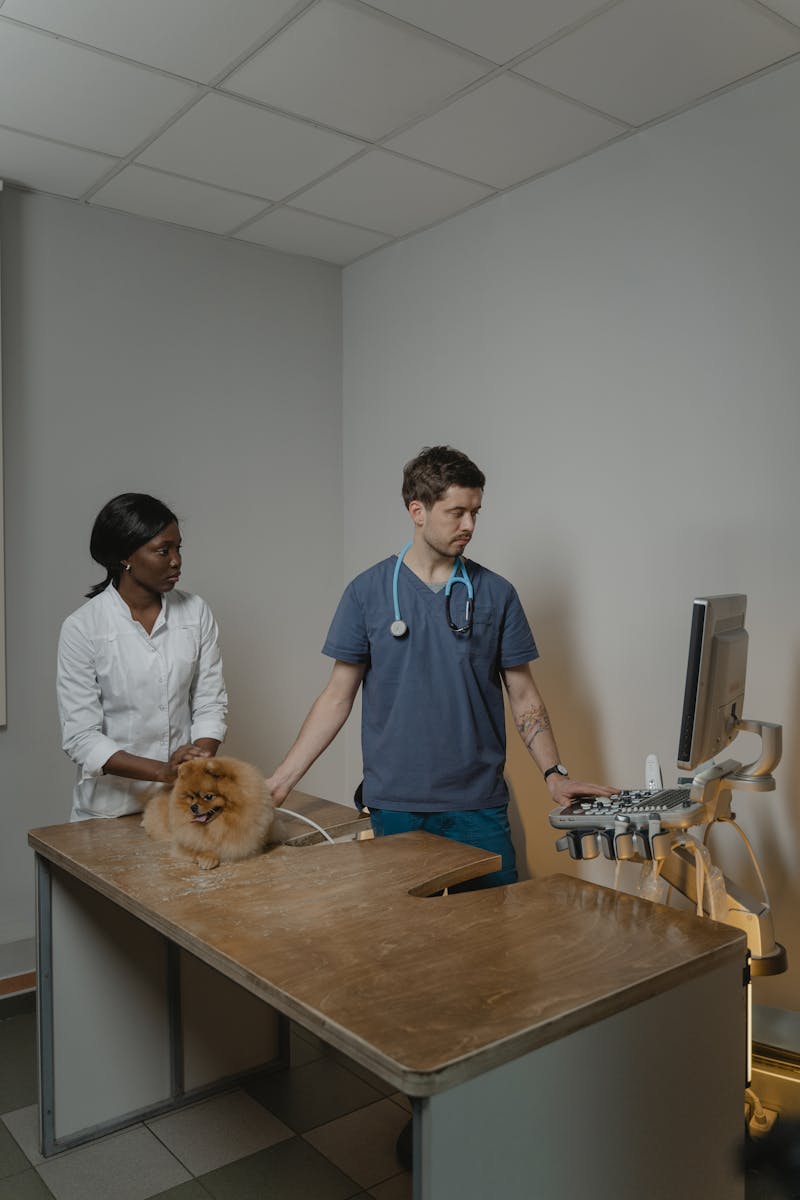
What is AI Pet Dentistry?
AI pet dentistry represents a revolutionary advancement in veterinary care, combining artificial intelligence with dental diagnostics to detect oral health issues in pets faster and more accurately than ever before.
The Growing Need for Better Pet Dental Care
Did you know that 80% of dogs and 70% of cats show signs of dental disease by age three? Yet most pet owners remain unaware of their companion’s oral health problems until they become severe.
Traditional visual examinations often miss early-stage dental diseases because subtle signs like:
- Early periodontal pockets
- Hairline fractures
- Beginning root decay
…are typically undetectable without detailed imaging analysis.
How AI Dental Technology Works
AI pet dental systems use deep learning and convolutional neural networks (CNNs) to analyze dental X-rays. Here’s the process:
- Image Capture: Veterinarians take digital dental X-rays during examination
- Upload: Images are sent to the AI platform via secure cloud
- Analysis: Machine learning algorithms analyze the X-ray in seconds
- Detection: The system identifies potential issues like periodontal disease, fractures, and lesions
- Report: A detailed tooth-by-tooth analysis is generated
What Can AI Detect?
Modern AI dental systems can identify:
- Periodontal disease - infection and inflammation of supporting tissues
- Tooth fractures - from enamel cracks to complicated crown fractures
- Resorptive lesions - particularly common in cats (affecting 20-60%)
- Bone loss - both attachment loss and furcation involvement
- Root abnormalities - including retained roots and periapical lesions
The Benefits of AI-Assisted Dental Diagnosis
1. Early Detection
Studies show that clinics using AI-assisted dental diagnostics report a 35% increase in early disease detection rates. Catching problems early means:
- Less invasive treatments
- Lower costs for pet owners
- Better outcomes for pets
2. Speed and Efficiency
AI analysis takes seconds to minutes compared to traditional methods. Some systems deliver results in under 10 minutes—while the pet is still under anesthesia.
3. Accuracy
Leading AI dental products achieve accuracy rates of 92-98% when compared to board-certified veterinary dentists.
4. Better Communication
AI-generated reports with annotated images help veterinarians explain complex dental issues to pet owners in an understandable way.
Current AI Pet Dental Products
The veterinary AI diagnostics market is growing rapidly, valued at $652 million in 2024 and projected to reach $2.63 billion by 2033.
Major players include:
| Product | Company | Key Features |
|---|---|---|
| RapidRead Dental | Antech (Mars) | 98% accuracy, trained on 275,000 teeth |
| SignalSMILE | SignalPET | Real-time analysis, 6 pathology types |
| Vetology AI | Vetology | 92% agreement with radiologists |
Limitations to Consider
While AI dental technology is impressive, it’s important to understand its limitations:
- Not a replacement for professional veterinary judgment
- May produce false positives (flagging normal anatomy as concerning)
- Research shows some systems have high specificity but lower sensitivity
- Works best as a “second pair of eyes” rather than initial screening tool
The Future of Pet Dental Care
AI technology in veterinary dentistry is evolving rapidly. With continued development, we can expect:
- More accurate detection algorithms
- Broader species coverage
- Integration with other diagnostic tools
- Consumer-accessible screening options
Conclusion
AI pet dentistry represents a significant leap forward in veterinary care. By enabling earlier detection of dental diseases, improving diagnostic accuracy, and facilitating better communication with pet owners, this technology is helping ensure our furry companions receive the best possible oral health care.
If you’re concerned about your pet’s dental health, ask your veterinarian about AI-assisted dental diagnostics at your next visit.
Sources: American Veterinary Medical Association, Journal of Veterinary Dentistry, Grand View Research
Frequently Asked Questions
How accurate is AI dental analysis for pets?
AI dental analysis systems like Nerovet achieve high accuracy rates in detecting common dental conditions such as periodontal disease, tooth fractures, and resorptive lesions. The AI serves as a decision-support tool that helps veterinarians identify issues they might otherwise miss, rather than replacing professional judgment.
How does AI pet dental scanning work?
AI pet dental scanning uses deep learning algorithms trained on thousands of veterinary dental images. When you upload a dental X-ray or intraoral photo, the AI analyzes it to detect anomalies, classify conditions, and generate a detailed report with findings and recommendations.
Can AI replace a veterinary dentist?
No, AI is designed to assist veterinarians, not replace them. AI excels at pattern recognition and can flag potential issues for review, but clinical decision-making, treatment planning, and procedures still require a trained veterinary professional.
Want to apply this workflow in your clinic?
Book a Nerovet demo to see practical workflow recommendations for dog and cat dental imaging.