How AI Smart Dentistry is Revolutionizing Pet Dental Care
Explore how AI smart dentistry technology is changing veterinary practice. Learn about the latest innovations in pet dental diagnostics and what they mean for your pet's health.
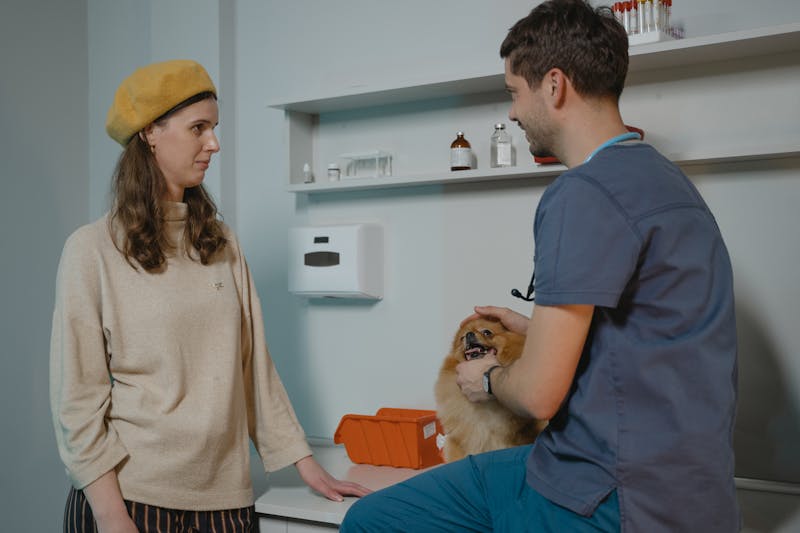
How AI Smart Dentistry is Revolutionizing Pet Dental Care
The intersection of artificial intelligence and veterinary medicine is creating unprecedented opportunities for better pet healthcare. AI smart dentistry stands at the forefront of this revolution, offering tools that can detect dental problems with remarkable speed and precision.
The Problem with Traditional Pet Dental Exams
Dental disease is the #1 health problem in small animal patients. Consider these statistics:
- 80-90% of dogs over 3 years old have some form of periodontal disease
- 50-90% of cats over 4 years old suffer from dental issues
- Dental radiographs reveal 40% more pathology than visual examination alone
Yet traditional diagnostic methods face significant challenges:
- Time-consuming manual analysis
- Subjective interpretation
- Easy to miss subtle early-stage disease
- Limited by veterinarian experience with dental radiology
What Makes AI Smart Dentistry Different?
AI smart dentistry systems leverage advanced machine learning to provide:
Instant Analysis
Where traditional review might take 15-30 minutes, AI systems analyze dental X-rays in seconds. This means:
- Results available while patient is still anesthetized
- Faster treatment decisions
- Reduced anesthesia time
Objective Assessment
AI algorithms apply consistent criteria to every image, eliminating the variability that comes with different levels of experience or fatigue.
Pattern Recognition
Trained on tens of thousands of images, AI can detect patterns that might escape human observation:
- Subtle bone density changes
- Early periodontal pockets
- Microscopic fracture lines
- Beginning stages of tooth resorption
Real-World Impact
For Veterinary Practices
Clinics implementing AI smart dentistry report:
- 40% reduction in diagnostic time
- 35% increase in early disease detection
- Improved client communication through annotated images
- Reduced need for specialist referrals in clear-cut cases
For Pet Owners
- Earlier intervention means less invasive treatments
- Better understanding of their pet’s condition
- Lower long-term dental care costs
- Improved quality of life for their pets
The Technology Behind AI Smart Dentistry
Convolutional Neural Networks (CNNs)
CNNs are the backbone of most AI dental systems. These deep learning architectures:
- Excel at processing visual data
- Learn hierarchical features automatically
- Can classify, detect, and segment dental structures
Training Data
The accuracy of AI systems depends heavily on training data quality:
| System | Training Dataset |
|---|---|
| Antech RapidRead | 55,000 images, 275,000 teeth |
| Mars Toothscan | 53,000 images (including 7,000 annotated) |
Cloud-Based Processing
Most AI dental platforms use cloud computing to:
- Handle intensive processing requirements
- Provide instant updates to algorithms
- Enable access from any connected device
Types of Dental Pathology AI Can Detect
Periodontal Disease
The most common dental condition in pets, AI systems can identify:
- Gingivitis (early, reversible stage)
- Periodontitis (bone loss stage)
- Furcation exposure
- Attachment loss
Tooth Resorption
Particularly important for cats (affecting up to 75% by age 5):
- Type 1: Inflammatory tissue replacement
- Type 2: Bone-like material replacement (most common)
- All 5 stages from early cementum involvement to crown destruction
Fractures
AI can detect various fracture types:
- Enamel infractions (cracks without substance loss)
- Uncomplicated crown fractures
- Complicated crown fractures (pulp exposed)
- Root fractures
Other Conditions
- Retained tooth roots
- Periapical lesions
- Oral masses
- Jaw fractures
Limitations and Considerations
Not a Replacement for Clinical Judgment
AI smart dentistry is a diagnostic aid, not a substitute for veterinary expertise. Final treatment decisions should always involve professional assessment.
Sensitivity vs. Specificity Trade-offs
Research indicates some AI systems show:
- High specificity (correctly identifying healthy teeth)
- Lower sensitivity (may miss some diseased teeth)
This makes them better suited as a “second opinion” rather than primary screening tool.
Regulatory Considerations
Unlike human medical devices, veterinary AI products don’t require premarket FDA screening—a concern raised by the American College of Veterinary Radiology.
The Future of AI Smart Dentistry
The veterinary AI market is projected to grow from $652 million (2024) to $2.63 billion (2033). Expected developments include:
- Improved algorithms with better sensitivity
- Multi-modal integration combining X-rays with other data
- Consumer applications for at-home screening
- Species expansion beyond dogs and cats
Conclusion
AI smart dentistry represents a paradigm shift in how we approach pet dental care. By combining the speed and consistency of artificial intelligence with veterinary expertise, we can detect dental diseases earlier, treat them more effectively, and ultimately provide better lives for our pets.
As this technology continues to evolve, we can expect even more sophisticated tools that make comprehensive dental care accessible to more pets worldwide.
References: Journal of Veterinary Dentistry, AVMA, Frontiers in Veterinary Science
Frequently Asked Questions
How accurate is AI dental analysis for pets?
AI dental analysis systems like Nerovet achieve high accuracy rates in detecting common dental conditions such as periodontal disease, tooth fractures, and resorptive lesions. The AI serves as a decision-support tool that helps veterinarians identify issues they might otherwise miss, rather than replacing professional judgment.
How does AI pet dental scanning work?
AI pet dental scanning uses deep learning algorithms trained on thousands of veterinary dental images. When you upload a dental X-ray or intraoral photo, the AI analyzes it to detect anomalies, classify conditions, and generate a detailed report with findings and recommendations.
Can AI replace a veterinary dentist?
No, AI is designed to assist veterinarians, not replace them. AI excels at pattern recognition and can flag potential issues for review, but clinical decision-making, treatment planning, and procedures still require a trained veterinary professional.
Want to apply this workflow in your clinic?
Book a Nerovet demo to see practical workflow recommendations for dog and cat dental imaging.